Published on: February 02, 2026
Author: Admin
Does Brown Discharge Mean Pregnancy?
If you have queries like “Does brown discharge mean pregnancy?”, you are at the right page. This blog is for you.
Brown Discharge as a Pregnancy Sign
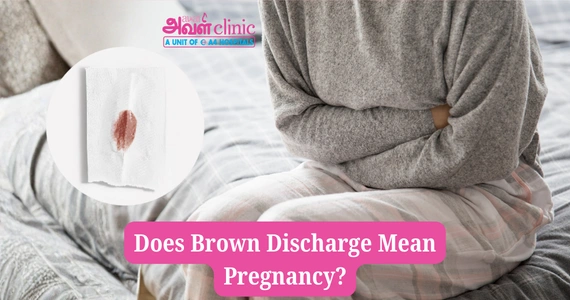
Brown discharge can be an early sign of pregnancy, especially if it happens for a short period. A woman may notice brown discharge when a fertilised egg burrows inside the uterine lining for potential implantation. The process might disrupt mild tissues around the lining, causing light bleeding. This bleeding sometimes gets mixed with older blood from the previous cycle in the uterus, thereby exhibiting brown-like discharge. It can also be caused by cervical sensitivity or hormonal shifts during early pregnancy.
While the occurrence is a positive sign of pregnancy, it is important to monitor the amount of discharge (heaviness), appearance, duration, and the accompanying symptoms. You should seek medical help if the discharge is heavy with abnormal accompanying symptoms, as it can also signal other issues like infections or cervical irritation.
When it comes to brown discharge as a pregnancy sign, the key aspects to monitor may include:
- Amount of Discharge
This type of bleeding is most often spotty, light, and scanty. It can be managed with a panty liner; it doesn’t require a full sanitary pad. - Appearance
Typically, brownish or pinkish spotting. It doesn’t shift from brown to bright red like a regular period. It also doesn’t include any clots. Just a few drops of brown or pink discharge. - Duration
It usually lasts for a few hours to a maximum of three days. - Other Symptoms
Brown discharge from pregnancy is often accompanied by mild cramping and other early pregnancy symptoms like frequent urination and nausea.
When monitoring brown discharge as a potential sign of early pregnancy, monitoring these aspects can be helpful.
Need expert advice? Consult our doctors now!
Call Now: 80047 80048Other Reasons for Brown Discharge
Apart from the pregnancy, other common reasons for brown discharge may include:
Common & Hormonal Causes
- Start or End of Period
Some women may notice brown-tinged spotting at the start or end of their period. This is because it’s usually old blood from the previous cycle that took long enough to exit the body, especially if it’s happening at the beginning of your period. Similarly, it is possible to notice brown bleeding at the end of the cycle when the flow is slowed down. - Hormonal Birth Control
Hormonal birth controls can cause breakthrough bleeding or spotting, which is usually light bleeding or brown discharge between periods. This can happen when the contraceptives prevent the thickening of the uterine lining by maintaining consistent hormone levels to block menstrual bleeding. Brown bleeding due to birth control is specifically noticeable in the first 2 to 3 months of usage. Over time, the side effect should improve. - Ovulation
Ovulation can be another significant reason for brown discharge. This can happen when hormone levels shift (estrogen drop) during the egg release, leading to slight shedding of the uterine lining. This shedding, mixed with cervical mucus, can make the discharge turn brown in the mid-cycle. It is usually harmless and accompanied by symptoms like mild cramping, which is widely known as “mittelschmerz”. - Perimenopause
It is common to experience brown discharge in a woman during perimenopause. Fluctuating hormones, especially dropping estrogen levels, can interfere with normal uterine lining shedding. This uneven shedding can cause irregular periods, resulting in old, oxidised blood, turning brown. - Procedures
Certain medical procedures, such as Pap smears, IUD insertions, and biopsies, can cause brown discharge. This can happen as these procedures can irritate the sensitive cervical or vaginal tissues, leading to light bleeding. If this blood doesn’t exit the body immediately, it oxidises and turns brown over time whenever it exits. Brown discharge due to a medical procedure is usually a harmless and temporary side effect.
Medical Conditions
- Infections
Infections, such as Bacterial Vaginosis (BV), Pelvic Inflammatory Disease (PID), STIs (like chlamydia/gonorrhoea), and yeast infections, can cause brown discharge. They can lead to irritation, inflammation, and small amounts of brown-tinged spotting from the vaginal or cervical lining. They are often accompanied by symptoms like foul odour, itching, and pain. This may potentially signal the need for medical help. - PCOS (Polycystic Ovary Syndrome)
Women with PCOS can certainly experience brown discharge in between cycles. This is because the condition can disrupt hormone balance, causing irregular ovulation and delayed periods. The improper ovulation and the shedding of the lining can result in occasional brown spotting instead of a bright red period. - Endometriosis
Endometriosis is a condition where the uterine tissue is misplaced outside the uterus. Women with this condition can experience brown discharge due to the old blood-filled inside the endometriomas and hormonal changes. - Ovarian Cysts
Ovarian cysts are abnormal growths on or in the ovaries that appear like fluid-filled sacs. Women with ovarian cysts can potentially experience irregular bleeding, which is represented by a brown discharge between periods. This can happen due to hormonal shifts or complications like rupture. - Fibroids/Polyps
Fibroids and polyps are benign uterine growths that can cause brown discharge. This is because fibroids can block normal uterine blood flow, while polyps can bleed easily. Both of these conditions can slow down the flow, leading to oxidation of the blood and turning it brown.
How to Differentiate Between Brown Discharge Causes?
Whatever the reasons could be, brown discharge is often old blood that took time to leave the uterus. The following table can help you differentiate between pregnancy-related brown discharge and other causes.
| Key Aspects | Pregnancy | Period Beginning / End | Infection | Ovulation | Polyp / Procedure |
|---|---|---|---|---|---|
| Timing | 6–12 days after ovulation | Just before or after regular menstrual flow | Anytime, often persistent | Mid-cycle | After sex or medical procedure |
| Flow Amount | Often spotty, light, and scanty | Light before flow starts or when flow is stopping | Varies from light spotting to persistent discharge | Light | Light |
| Duration | Short-lived; a few hours to 2–3 days | First and last day of the period | Continuous until treated | Very short-lived (1–2 days) | Very short-lived (1–2 days) |
| Colour | Pinkish-brown, light brown, or rust | Black or brown | Mostly brown; sometimes yellowish or greenish | Brown or light brown | Brown or light brown |
| Cramping | Mild or none | Mild to strong menstrual cramps | Strong cramps with pelvic pain | Mild or none | Mild or none |
| Other Symptoms | Nausea, fatigue, tender breasts | Mood swings, bloating | Itching, irritation, foul smell, fever | Occasional spotting | Spotting after sex |
| Consistency | Light and scanty | Varies; sometimes with blood clots | Clumpy, thick, or thin | Varies | Varies |
When to See a Doctor About Brown Discharge?
While brown vaginal discharge is generally harmless, it can sometimes signal potential health concerns. See a doctor immediately if the discharge is accompanied by:
- The signs of infection include strong fishy odour, burning, itching, pelvic pain, redness, painful urination, pain during sex or fever.
- Heavy bleeding or tissue passage, severe abdominal pain, fainting or dizziness during pregnancy.
- Any discharge or spotting after menopause.
- Persistent discharge lasting for weeks or occurring regularly outside the normal periods.
- Sudden changes in colour, texture, or odour.
- Unexplained, recurring brown discharge after sex.
- Discharge associated with perimenopause or birth control.
Summary
Brown discharge can be a significant sign of early pregnancy, often due to implantation bleeding. However, it can also happen due to other factors like ovulation, birth control, procedures, and even uterine conditions. If you suspect you may be pregnant, especially with missed periods and other symptoms, take a home pregnancy test. Seeing a doctor after confirming is also crucial to rule out other serious conditions, particularly if spotting becomes heavier or accompanied by severe pain or cramping.
Above all, talk to your healthcare provider for any guidance.
If you still have any concerns, having a consultation with experts at Aval Clinics is recommended. They can guide you.
Contact us today for expert advice and personalized care:
Frequently Asked Questions