Published on: December 17, 2025
Author: Admin
First 72 Hours of Pregnancy Symptoms
Pregnancy can actually happen even before exhibiting symptoms. The first 72 hours of pregnancy symptoms may or may not be felt by women since it is too early. The significant pregnancy symptoms do exhibit only when implantation takes place in the uterus. This might take about 1 to 2 weeks after conception (fertilisation). Until then, it can be hard to tell what’s happening inside a woman’s body, even through the early symptoms. This is because the early pregnancy symptoms are quite similar to premenstrual symptoms (PMS). This makes them confuse pregnancy symptoms and PMS symptoms.
Do not worry. This blog can help you to recognise the potential pregnancy symptoms in the first 72 hours, what happens biologically in this duration, symptoms to expect in the later stages, and when to confirm the conception.
What Happens in the First 72 Hours of Pregnancy (Days 1-3 after conception)?
The first 72 hours (three days) after fertilisation are significant for the continued pregnancy in both in vitro fertilisation (IVF) and natural conception. This phase is often considered a vital period for both implantation and positive outcomes.
Here’s the breakdown of what happens biologically during this critical window.
Fertilisation & Zygote Formation
When the sperm and egg are fertilised, they develop into a single cell called a zygote. In simple terms, a zygote is the initial stage of an embryo.
Cell Division
The zygote then divides rapidly into 2, 4, 8, 16 cells, until it forms into a solid ball of cells, called a morula.
Journey to the Uterus
After reaching the morula stage, this developing embryo strives to reach the uterus from the fallopian tubes for potential implantation. This journey may typically take around 3 to 5 days. The embryo, in fact, begins its journey while dividing its cells simultaneously in the fallopian tubes.
Note: In natural conception, the fertilised egg undergoes multiple cell divisions before moving into the uterus from the fallopian tubes. Whereas in the IVF treatment, the morula or further developed embryo, called a blastocyst, is placed directly into the uterus. In both scenarios, the beginning of the pregnancy is marked when the embryo attaches to the uterine lining.
First 72 Hours of Pregnancy Symptoms
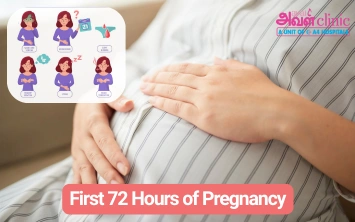
All of the above processes may contribute to the development of certain subtle symptoms like increased discharge and mild cramping. These 48 hours after conception symptoms are easily mistaken for premenstrual symptoms. However, these may or may not be experienced by the women, as it is too early to notice.
The potential symptoms in the initial 72 hours of pregnancy may include:
Mild Cramping/Twinges
Some women may experience the feeling of twinges or light cramping in the abdomen as the embryonic cell division happens and moves.
Increased Discharge
Increased vaginal discharge is one of the common early pregnancy symptoms after sex for some women. The discharge may widely vary from the normal one, typically appearing like raw egg whites.
Increased Basal Body Temperature
A woman may also notice a slightly increased temperature in her body after fertilisation. This may be around 0.5 to 1.0 °F, which usually lasts beyond two weeks after the ovulation period.
Fatigue
Due to the sharp spiking levels of hormones in the early pregnancy, significant tiredness can be experienced.
Mood Swings
Again, the spiking hormone levels may contribute to affecting the mood in some women during early pregnancy.
Book Your Free Online Consultation
Call Now: 80047 80048What Happens After the First 72 Hours (Days 3-10+)?
After 72 hours of fertilisation, the rapid cell division after reaching the uterus still undergoes certain development to support the embryo for implantation.
The brief breakdown of this developmental process may include:
Blastocyst Development
The morula, after reaching the uterus, divides further and develops into a hollow ball of cells called a blastocyst. This is a crucial developmental stage happening around days 3 to 6 after fertilisation. The outer layer of the blastocyst converts into the placenta, and the inner cell mass (ICM) converts into the fetus.
Implantation
The blastocyst implants into the uterine lining (endometrium) by hatching its outer layer. Note that both layers of the blastocyst have to be attached to the endometrium for a healthy pregnancy. The outer layer (placenta) attached to the uterine lining is responsible for supplying nutrients and oxygen to the ICM developing fetus. This can usually happen around days 6 to 12 after fertilisation.
Hormonal Rise
Once the blastocyst implantation happens, a woman’s body may begin to produce pregnancy hormones, called hCG (Human Chorionic Gonadotropin). This may signal the ovaries to suppress menstruation by producing more progesterone and estrogen hormones. This helps to maintain the healthy uterine lining for the pregnancy.
This is when the pregnancy tests work by detecting the fetal growth through the hCG hormone in the woman’s body.
Symptoms to Expect in the Later Weeks of Conception
In the later weeks of conception, a woman may have noticeable conception symptoms that may denote a potential pregnancy. Though the experiences may widely vary, the common symptoms may include:
Implantation Bleeding
As the blastocyst burrows into the uterine lining, it may disturb the sensitive tissues, leading to light spotting. This type of spotting is widely known as implantation bleeding.
Missed Period
Missing periods in the expected due date is the predominant sign of pregnancy.
Nausea/Food Aversions
Nausea and food aversions are the most common after ovulation pregnancy symptoms. The sensitivity towards certain smells and tastes may increase due to the hormonal shifts.
Tender Breasts
The feeling of soreness or heaviness in the breasts may be another predominant symptom of early pregnancy. Women may experience this as their milk ducts and glands grow due to the rising estrogen and progesterone hormones.
Frequent Urination
Fetal development significantly requires increased blood volume. This makes the kidneys produce more urine. Hormonal changes may also contribute to this symptom.
Bloating
Changing hormones after pregnancy may interfere with the digestive system. The decreased movement in the system may potentially lead to bloating and constipation.
When to Confirm the Pregnancy?
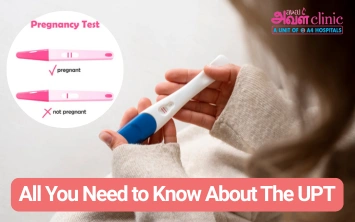
You can confirm the pregnancy in two primary methods: home urine tests and clinical blood tests. It is generally recommended to wait until your missed period for more accuracy.
- Urine tests: Confirming the pregnancy through home urine tests is highly effective. They provide 99% accurate results when used correctly. The timing and following the package’s instructions are essential for reliable results. Furthermore, these home pregnancy tests can be more accurate when performed after missing your period.
- Blood tests: The clinical blood tests can confirm the pregnancy earlier than home tests. Meaning, blood tests can be performed even before your missed period, which can be around 11 to 14 days after fertilisation.
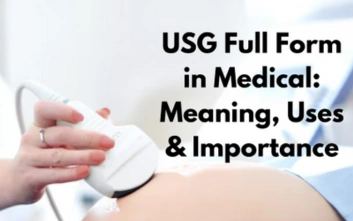
To further confirm your pregnancy, you may visit the healthcare provider. They may often use ultrasounds between 6 and 12 weeks of missed period to detect the pregnancy.
Summary
The First 72 hours of pregnancy symptoms are too early to recognise the possibilities of pregnancy. Some women may experience subtle changes like mild cramping and vaginal discharge, while others may experience nothing at all. Pregnancy symptoms may greatly vary among individuals. So, being patient with the process and the missed period to perform the pregnancy test is crucial.
If you still have any concerns, having a consultation with experts at Aval Clinics is recommended. They can guide you.
Contact us today for expert advice and personalized care: