
Published on: January 27, 2026
Author: Admin
What is Progynova?
Progynova is a prescription medication used as a replacement for the estrogen hormone, whereas 2mg is its specific dosage strength. This medication is a widely used In Vitro Fertilisation (IVF) protocol to support the implantation by thickening the uterine lining (endometrium). Progynova 2mg for conceiving generally works by mimicking the body’s natural estrogen levels. They stimulate endometrial growth until it reaches the optimal thickness (7 – 14 mm) for embryo transfer.
Other than fertility treatments, Progynova is used to treat various conditions, including:
- Relieving patients from menopausal symptoms like itching, vaginal dryness and hot flashes.
- Regulating menstrual cycles for women with hormonal imbalance.
- Preventing osteoporosis, which is a condition caused by the thinning of bones in postmenopausal women.
- Managing certain conditions caused by estrogen deficiency, like difficulty concentrating and reduced libido, in perimenopausal and postmenopausal women.
Why Progynova 2mg is Important in IVF Treatment?
Progynova 2mg is important in IVF treatment to create a healthy uterine environment for the embryo to implant.
The detailed breakdown of Progynova 2mg uses in IVF may include:
Uterine Lining Preparation
IVF success typically depends not only on a high-grade embryo. It also requires a receptive uterine environment, neither being too thick nor too thin. At the time of the embryo transfer, the endometrial thickness should be anywhere between 7 mm and 14 mm for successful embryo implantation. A lining below 7 mm may significantly reduce the chances of pregnancy. This is where Progynova 2mg comes into play, particularly during a frozen embryo transfer (FET) cycle.
Improved Implantation
Once Progynova 2mg creates an optimal uterine thickness, it supports the transferred embryo to implant and grow successfully. This makes the Progynova medication a crucial primer before adding progesterone in the IVF treatment.
Hormonal Support
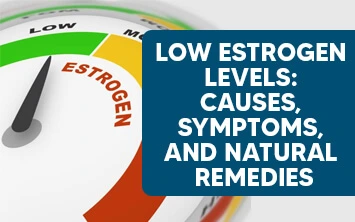
Estrogen deficiency can significantly contribute to impairing fertility chances in women. This is because estrogen, along with progesterone, plays a key role in regulating the menstrual cycle (ovulation and menstruation), and thickening the uterine lining for potential pregnancy. Progynova 2mg tablet uses can support this deficiency by supplying enough estrogen to improve the chances of the transferred embryo sticking to the lining.
Note: Estrogen in the first half of the menstrual cycle (follicular phase) helps to build the uterine lining, while progesterone takes over to mature the built lining in the second half of the menstrual cycle (luteal phase). This is a normal occurrence to make the environment more viable for a fertilised egg to implant and grow.
The imbalance between these two hormones may not provide positive outcomes. That is why the timing and sequence of Progynova 2mg and progesterone are important for a successful IVF cycle.
Enhanced Blood Flow
Progynova 2mg uses in IVF primarily work by thickening the endometrial lining through estrogen replacement. This process is directly associated with the enhanced blood flow to the uterus by increasing its vascularity, which is essential for developing the pregnancy.
Need expert advice? Consult our doctors now!
Call Now: 80047 80048When to Take Progynova 2mg in IVF?
The timing and dosage of the Progynova pills are to be strictly followed according to your doctor’s advice. However, the general advice may include:
Initiation
Progynova is usually recommended in frozen embryo transfer (FET) cycles. In fresh transfer cycles, the treatment predominantly relies on the body’s natural hormones. However, your healthcare provider may sometimes use the medication in post-retrieval if they suspect the cycle needs adjustments to support the growth of the uterine lining.
For a frozen embryo transfer (FET) cycle, Progynova may be prescribed early in the menstrual cycle, typically around day 2 or 3. It helps the lining to gradually build before the embryo is transferred.
Duration
The pills are usually recommended to continue until the uterine lining thickness reaches an optimal range. The growth is keenly monitored through ultrasound scans. Once it reaches an optimal thickness, progesterone is administered to support the lining growth further. Based on the results, the embryo transfer is scheduled. Progynova tablet uses may usually be prolonged in the early stages of pregnancy as well. Your healthcare provider may determine when to stop the medication.
Administration
The medication should be taken every day without a break. The tablet should also not be crushed or cut into pieces. It is recommended to swallow one whole Progynova tablet every day, at the same time. You can have it with or without food, using water.
Missed Dose
If you miss taking the Progynova tablet for about 12 hours, we recommend that you not take the forgotten tablet. Rather, continue with the following schedule to avoid spotting or irregular bleeding.
Safety and Precautions of Progynova 2mg in IVF
Progynova 2mg for endometrial thickness is considered safe only when used under the healthcare provider’s recommendation and ongoing monitoring. This is because their usage requires certain safety precautions before taking them. They may include:
Pregnancy/Breastfeeding
Women during established pregnancy or while breastfeeding should not take Progynova. If you do so, it may harm the developing fetus or the infant. If a woman encounters any of the scenarios, the medication should be stopped immediately, and the healthcare provider should be consulted. This is an exemption in the early stages of IVF pregnancy, as Progynova usage is a specific IVF protocol.
Common Side Effects
Progynova tablets are often tolerated by many women. However, sometimes it may cause potential side effects, such as nausea, headaches, abdominal pain/bloating, breast tenderness, and weight changes. These are common side effects, which can be subsided on their own as your body adjusts to the medication.
Surgery and Immobilisation
If you are planning for any surgery or have the possibility of being immobilised for a prolonged period, we recommend that you inform your healthcare provider. Taking Progynova during this period can increase the risk of developing blood clots. In such cases, it is usually advised to stop taking the tablet for at least 4 to 6 weeks before the surgery.
Contraindications
The usage of Progynova is contraindicated in certain cases. If you have, or have had a history of any of the following conditions, inform your healthcare provider before taking the medication.
- Blood clots in the legs or lungs.
- Heart attack or stroke.
- Suspected uterine or breast cancer.
- Estrogen-dependent tumours.
- Undiagnosed vaginal bleeding.
- Severe liver tumours or liver disease.
- Severe high triglycerides.
- Allergic to the ingredients present in Progynova.
Regular Check-ups
The Progynova 2mg uses in pregnancy requires regular check-ups, including pelvic and breast examinations by the healthcare provider. This is to rule out the potential adverse effects caused by the medication.
Interactions
It is important to avoid excessive consumption of alcohol and smoking while taking Progynova tablets. This is because they can interact with the medication and alter its effectiveness. It can also increase the risk of certain health issues, like cardiovascular events and liver problems.
When to Seek Immediate Medical Help?
Seek medical help immediately if you experience:
- Coughing up blood or difficulty breathing
- Sudden chest pain
- Visual disturbances
- Severe headache
- Unusual pain in the legs or arms
- Symptoms of jaundice like yellowing of the skin
- Symptoms of allergies, such as rashes, itching, redness or swelling
Is Progynova 2mg used for any other purposes?
Other than fertility treatments, Progynova is used to treat various conditions, including:
- Relieving patients from menopausal symptoms like itching, vaginal dryness and hot flashes.
- Regulating menstrual cycles for women with hormonal imbalance.
- Preventing osteoporosis, which is a condition caused by the thinning of bones in postmenopausal women.
- Managing certain conditions caused by estrogen deficiency, like difficulty concentrating and reduced libido, in perimenopausal and postmenopausal women.
Who are the exemptions for taking Progynova 2mg?
Progynova 2mg is a hormone replacement therapy (HRT) medication. It may be contraindicated in individuals with certain pre-existing medical conditions. Progynova should be avoided in the following cases:
- Individuals who are pregnant or breastfeeding.
- Individuals with undiagnosed vaginal bleeding.
- Individuals with suspected or confirmed breast cancer.
- Individuals with liver tumours or suspected hormone-dependent tumours.
- Individuals with severe liver disease, including jaundice.
- Individuals with a history of cardiovascular events such as stroke or heart attack.
- Individuals with a history of blood clots in blood vessels (thromboembolic disorders).
- Individuals with high levels of fat in the blood (hypertriglyceridemia).
Summary
During an IVF (in vitro fertilisation) treatment, Progynova 2 mg plays a key role in helping women achieve pregnancy by thickening the uterine lining. When the medication is taken under the proper medical guidance, it increases the chances of conception. Since Progynova is a prescription medication with potential side effects and risks, it is important to follow your healthcare provider’s instructions to ensure its effectiveness.
Above all, talk to your healthcare provider for any guidance.
If you still have any concerns, having a consultation with experts at Aval Clinics is recommended. They can guide you.
Contact us today for expert advice and personalized care:
Frequently Asked Questions