Published on: December 10, 2025
Author: Admin
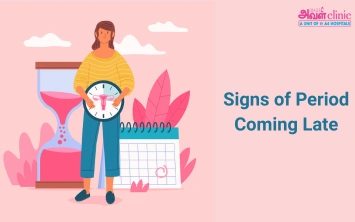
Period coming late for a day or two than usual is generally not a sign of concern. Several things contribute to these cycle variations. It can be because of pregnancy, an underlying medical condition or lifestyle changes. However, if you require assurance about the signs of period coming late, here it is. This blog can help you with everything you need to know about the late period.
When your period is late for a week beyond the expected due date, it is considered a late period. Likewise, when your period is late for more than 6 weeks beyond the expected due date, it is considered a missed period.
Variations in the menstrual cycle are normal. But understanding them is important, as the delayed or late period can be worrisome.
Is a Late Period a Sign of Pregnancy?
Pregnancy is the common reason why periods come late. However, it cannot be the sole reason. After fertilisation and subsequent implantation of the embryo into the uterus, your body undergoes tremendous changes in hormone secretion. This signals the system to stop ovulating and menstruating until childbirth.
It can be certain that you are pregnant, especially when you notice specific symptoms along with the late period. They may include:
- Obviously, a missed period beyond the expected cycle date.
- Frequently visiting the bathroom.
- Feeling tired throughout the day, even after having an adequate rest.
- Being sensitive to certain smells and tastes.
- Your breasts are too sensitive to the touch.
- Noticing a light bleeding within 6 to 12 days after the ovulation period.
All these symptoms are specific to the early pregnancy. To further confirm the pregnancy, you can perform a home pregnancy test.
What are the Other Potential Causes of a Late Period if Not Pregnant?
It is essential to understand that pregnancy cannot be the only reason for a late period. Other potential causes, if not pregnant, may include:
Stress
Stress plays a significant role in interfering with the menstrual cycle. When stressed, your body disturbs the production of gonadotropin-releasing hormone (GnRH). This can delay your period as the hormone is responsible for regulating ovulation and menstruation. The disruption of the GnRH hormone can have a negative impact on your entire reproductive hormonal system. Chronic stress can lead to irregularities like late or missed periods, shorter or longer cycles, and even changes in the cramp and flow severity.
If you suspect stress is the cause of your delayed period, you can try doing some breathing techniques whenever you are stressed.
Weight Changes
The sudden fluctuations in your weight, both weight gain and loss, can disrupt your regular menstrual cycle. When compared to weight gain, drastic weight loss has more impact on the menstrual cycle. Restricting the consumption of calories severely can disturb how your reproductive hormones work. This can cause late or delayed periods.
Hormonal Imbalance
Hormonal imbalance can be one of the signs of period coming late not pregnant. Conditions like polycystic ovary syndrome (PCOS), primary ovarian insufficiency (POI), and thyroid disorders can cause irregularities in the cycle. This can result in lighter, missed, or heavier periods.
Contraceptives
Sometimes the usage of hormonal contraceptives can delay your periods. It can be a common side effect of these pills, especially when changing, starting, or stopping the medication. The delay is usually temporary and can subside as the hormones in the medication adjust to the body.
Extreme Workout
Even though moderate and regular workouts are highly beneficial for women’s overall health, extreme workouts can delay their periods. The condition is known as a hypothalamic amenorrhea. Intense workouts combined with low body fat can disrupt the reproductive hormones. This can lead to irregular bleeding and even reduced chances of fertility.
Perimenopause
Perimenopause can be another reason why you have late or delayed periods, especially among women in their 40s. Perimenopause is the transition phase before menopause. During this phase, women generally notice irregular periods, mood swings, hot flashes, and vaginal dryness. Perimenopause most commonly lasts for about 4 to 8 years before achieving menopause.
Travel
Travel can cause a late period when it is associated with stress and inadequate sleeping patterns. Sometimes, international trips can also cause late periods as the time zone disrupts your body’s circadian rhythm. These factors can affect the hormones that regulate ovulation and menstruation, leading to late periods.
What are the Signs of Period Coming Late?
Apart from a missed period beyond the expected due date, the following are some of the signs your period is not coming. They may include:
Mild cramping without bleeding
When you have a late period, you are likely to experience period-like cramps, but with no traces of bleeding.
Breast tenderness
A late period can cause sensitive breasts due to hormonal fluctuations. This is a normal occurrence right before the menstrual bleeding.
Fatigue
Fatigue from a late period can be due to the dropping levels of hormone right before the period. This can make a woman feel extremely tired. The fluctuating hormones can also disrupt the sleeping patterns before a period, which can exacerbate tiredness.
Mood swings
A late period can also cause mood swings due to the ongoing hormone imbalances. This imbalance can affect neurotransmitters and brain chemistry. This can, in turn, lead to emotional changes like anxiety and mood swings.
Bloating
Bloating can be one of the significant 40 days late period symptoms. The ongoing fluctuating hormones due to the delayed period can make women feel bloated. This can be amplified as the fluctuation prolongs. The drop of progesterone and estrogen in the premenstrual phase can cause water retention and bloating. This symptom can continue until the period begins.
Changes in vaginal discharge
Again, hormonal imbalance is the primary reason for changes in vaginal discharge. When your period is due or approaching, you may notice your discharge becoming thicker, sticky, and creamy.
Headaches
A sudden drop in hormones during the premenstrual phase can cause headaches in some women. This sign is known as PMS headaches or menstrual migraines. Hormone-related headaches can be a significant symptom of the approaching period.
Book Your Free Online Consultation
Call Now: 80047 80048What To Do When Your Period is Coming Late?
If you are wondering what to do when your period is coming late, here are the effective steps you can take.
Take a pregnancy test
If your period is due beyond the expected date, taking a home pregnancy test can be beneficial. This can help rule out the pregnancy factor. If the results are negative and your period has not arrived, consulting a healthcare provider for diagnosis is highly recommended. The delayed period can be a symptom of a certain underlying medical condition, if not pregnant. Diagnosing the condition in its earlier state can largely help to improve the outcome.
Track your cycle
Tracking the menstrual cycle is important for a woman to understand her body better. However, some women fail to remember when they last menstruated. This can be due to the busy schedule or having lots on their plate. Tracking when your last menstrual cycle happened can largely help with either planning or preventing a pregnancy. Not just with pregnancy, but also to ensure everything is going fine with the body.
Change an unhealthy lifestyle
Stress, frequent travel, poor nutrition, intense workouts, inadequate sleeping patterns, and substance use can all play a role in the delayed period. Focusing on changing these unhealthy lifestyles can certainly help restore your menstrual health.
Consult a healthcare provider
Generally, the maximum delay in periods if not pregnant can be up to 7 days. If it exceeds beyond it, especially repeated delays, it should be investigated by the healthcare provider. Noting down the symptoms during a delayed period can also help the physician diagnose the underlying cause.
Summary
It is normal for the period to come late sometimes. However, the recurring occurrence or missing a period three or more times in a row requires medical attention.
At Aval Clinics, we have the best Gynaecologists and Obstetricians who can deal with reproductive and menstrual health effectively. Their experience has helped several patients with an accurate diagnosis through their symptoms. This has helped to plan for effective treatment options, thereby preventing our patients from long-term complications.
If you still have any concerns, having a consultation with experts at Aval Clinics is recommended. They can guide you.
Contact us today for expert advice and personalized care: