Published on: March 9, 2026
Author: Admin
Signs That Labour is 24 to 48 Hours Away
When we talk about labour signs, the first thing that comes to mind is contractions. But do you know that there are other potential signs that indicate labour is about to happen?
This blog tells everything you need to know about the signs that labour is 24 to 48 hours away. So, keep reading.
Key Signs Indicating that Labour is Near
Here are some of the key signs that indicate your labour is near:
Intensifying Contractions
A woman during pregnancy undergoes a variety of contractions since the middle of the pregnancy. They are frequently referred as “Braxton Hicks contractions” or “rehearsal contractions”. They are generally painless, unpredictable, and irregular tightening of the uterine muscles. Although Braxton Hicks contractions are uncomfortable, they usually last only 15–30 seconds and then subside by changing positions or drinking fluids.
As your due date approaches, these Braxton Hicks become more frequent, stronger, and longer. Many women reported that these contractions feel like painful menstrual cramps, especially in the 24 to 48 hours before true labour begins. They are one of the significant signs that your body is getting ready for childbirth.
Bloody Show/Mucus Plug
During pregnancy, a thick mucus is formed within the cervix. The primary role of this mucus is to prevent the growing baby from infections. It generally appears as raw egg whites or nasal mucus.
Losing the cervical mucus in the full-term means your labour is approaching, though it may still be days or weeks away. As your cervix softens, thins (effaces), and opens (dilates), this cervical mucus begins to come out. When expelling, it often gets mixed with a small amount of blood and may appear pink, brown or red-tinged. It is sometimes called “bloody show”.
Note: If you suspect that the cervical mucus plug has started to come out before 37 weeks, contact a healthcare provider immediately.
Lightening (Baby Dropping)
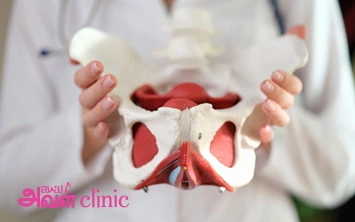
The baby usually moves a lot around in the uterus during pregnancy. In the late third trimester, the baby’s head descends into the pelvis (engagement) for birth. This is called lightening or baby dropping. Women experiencing the lightening often described the feeling as carrying a "bowling ball" between their legs. This occurrence triggers pelvic pain and bladder pressure, indicating that your labour is 24 to 48 hours away.
On the good note, lightening relieves pressure on the mother’s diaphragm, making it easier for them to breathe. On the other hand, because it increases significant pressure on the bladder, it can also lead to more frequent visits to the bathroom.
Note: Even though the baby is dropped into the pelvis, the mother should be able to feel the baby’s movements. If you suspect their movements have changed, stopped, or slowed down, contact a healthcare provider.
Diarrhoea/Nausea
When you are pregnant, it is common to experience diarrhoea and nausea. However, it can be more significant as your delivery approaches, particularly 24 to 48 hours before labour. This is due to the increased levels of the hormone prostaglandins and relaxin. Prostaglandins are responsible for softening the cervix and triggering the uterine contractions for childbirth. This very same hormone can simultaneously act as a natural cleanser, encouraging bowel movements, thereby causing loose stools.
On the other hand, the release of hormone relaxin can not only soften the pelvic muscles for childbirth, but also cause the rectal muscles to relax, leading to diarrhoea. The pressure of the lightning or the baby dropping into the pelvis can additionally cause nauseous sensation in the mother.
Lower Back Pain
Pregnant women noticing intense lower back pain in the late third trimester often note that labour is approaching within hours or days. This pain has predominantly resulted from lightening, where the baby is moved down into the pelvis, causing increased pressure on the lower spine and tailbone. Hormones like relaxin can contribute to intensifying this pain by loosening joints and ligaments.
Nesting Instinct
The nesting instinct is characterised as a sudden burst of energy and a strong desire to organise everything for the baby. This often occurs in the expectant mother about 24 to 48 hours before labour.
Mothers during the third trimester suddenly have this obsession to clean and prepare their home for the baby’s arrival. Some women even get ready with their hospital bag or commit to removing every trace of dust from their home. It is believed that hormones like oxytocin and adrenaline play a key role in this instinctual behaviour, along with starting labour.
If you have this powerful nesting urge, restrict yourself from heavy lifting or overexerting.
Water Breaking
Water breaking is an important indicator that signals either your labour has already begun or will begin within 24 to 48 hours. Your baby typically resides inside a bag full of fluid throughout the pregnancy, called the amniotic sac. When they are ready to come out, this sac ruptures and the fluid gushes out via the vagina. This occurrence initiates the active labour and prepares the body for childbirth.
While the amniotic sac generally breaks during labour, it can sometimes happen before contractions begin. It is known as a premature rupture of membranes (PROM). Once your water breaks, it is essential to visit a healthcare provider, even if you do not experience contractions. Furthermore, note the colour, odour, and the time of break. This helps the healthcare provider to track how long the baby has been without amniotic fluid, risk of infection or meconium (baby's first stool), and determine the safest plan for managing labour.
Book Your Free Online Consultation
Call Now: 80047 80048How Do True Labour Contractions Feel Like?
Not all contractions indicate that labour is approaching. A woman during pregnancy experiences a variety of contractions that are not part of true labour. This is commonly known as false labour or Braxton Hicks. Knowing how to differentiate them can greatly help with identifying the true labour contractions.
The following provides a detailed breakdown of how the true labour contractions feel:
Pattern
If you notice your contractions have a regular interval – occurring every 5 minutes, lasting for 1 minute, and continuing for 1 hour, it is a reliable indicator that you are likely in a true, active labour. It usually signals the need to contact a healthcare provider.
Intensity
A true labour contraction may start as a mild discomfort, similar to menstrual cramps, but become progressively much stronger and longer. Unlike false labour, they do not subside with rest or movement. Rather, they intensify and make it more difficult for the mother even to walk or talk through a contraction.
Location
The sensation often begins as a dull, aching pain in the lower back that radiates around and spreads to the front of the abdomen.
Effect of Movement
A true labour contraction continues or intensifies no matter what you do.
Physical Sensation
They may also involve causing the uterus to tighten and harden during the contraction and then relaxing in between.
What to do If Labour Has Started?
If you think your labour has started, the first thing any healthcare provider suggests is timing your contractions and determining your phase of labour.
- An early (latent) labour is the initial phase of your contractions. It can generally be milder and irregular. It can occur every 5–20 minutes and last for 30-45 seconds. The cervix can dilate up to 4 - 6 cm. This phase is generally longer, often lasting for hours to days.
- Active labour is the progressive phase of the early stage of labour. During this phase, the contractions become stronger and longer, typically occurring every 3 to 5 minutes and lasting for 45-60 seconds. The cervix can dilate up to 6 - 10 cm. This phase can usually last for 4–8 hours.
At an early stage of labour, you can stay home and:
- Walk around or use a birthing ball to help the baby move down. Always ensure to rest between contractions.
- Stay calm and rest well to conserve energy for childbirth.
- Take a warm shower, practice breathing exercises or use a massage to cope with early labour contractions.
- Eat light but high-carbohydrate foods and drink plenty of fluids.
- Use notes or an app to time your contractions.
- Watch for other signs of active labour.
At an active stage of labour, the common things to notice and seek medical help may include:
- Contractions becoming stronger and longer, typically occurring in every 3 to 5 minutes and lasting for 45-60 seconds for at least 1-2 hours.
- You experience bright red bleeding through the vagina.
- Your water breaks (rupture of membranes).
- You notice significant changes in the baby’s movements.
- You have an uncontrollable urge to push the baby.
- You notice the mucus plug in your pants frequently.
Summary
It is essential to understand that every labour is different. Not all women experience potential signs of approaching labour. For example, some women may not have their “bloody show”, while others may have subtle, gradual changes days before their active labour.
Recognising the signs of approaching labour can help you prepare for the birthing experience, but understanding your body is important. As your due date approaches, stay alert, patient, and have close communication with your healthcare provider. All of which can guide you through the main event with confidence.
If you still have any concerns, having a consultation with experts at Aval Clinics is recommended. They can guide you.
Contact us today for expert advice and personalized care: