Published on: June 30, 2025
Author: Admin
Trying to have a baby is an exciting journey, but it can come with lots of questions. One big question is, “What’s a normal sperm count to get pregnant?” If you and your partner are wondering about sperm health and how it affects your chances of starting a family, you’re in the right place.
This guide will explain what a normal sperm count is, why it matters,how much sperm is needed for pregnancy, and how to boost your chances of getting pregnant - all in easy words that anyone can understand, even a kid! We’ll also cover tips to keep sperm healthy and clear up some common worries.
What Is Sperm Count?
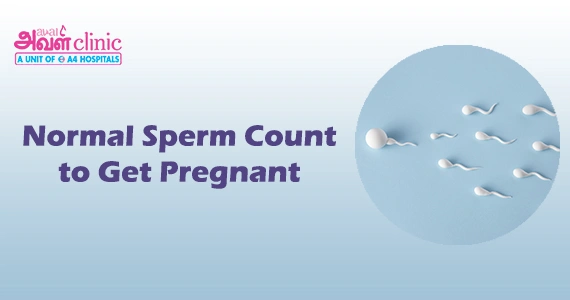
Sperm count is how many sperm are in a man’s semen when he ejaculates. Think of it like a team of tiny swimmers trying to reach an egg to make a baby. Only one sperm needs to get to the egg, but having more healthy sperm makes it easier for that to happen. Doctors check sperm count with a test called a semen analysis, which looks at the number, movement (motility), and shape (morphology) of sperm.
A normal sperm count to get pregnant is usually between 15 million and 200 million sperm per milliliter (mL) of semen, according to the World Health Organization (WHO). If the count is less than 15 million per mL, it’s called a low sperm count, or oligospermia. But don’t worry - even a lower count doesn’t mean you can’t have a baby. It just might take a little longer or need some extra help.
Why Does Sperm Count Matter for Pregnancy?
You might wonder, “If only one sperm is needed, why does the number matter?” It’s because the journey to the egg is tough! After ejaculation, millions of sperm start the trip, but only a few hundred make it close to the egg. Many get lost or don’t survive the trip through the female reproductive system. A higher sperm count means more sperm have a chance to reach and fertilize the egg, boosting your odds of getting pregnant.
Besides the number, sperm health is super important. Healthy sperm need to swim well (motility) and have a normal shape (morphology) to do their job. If sperm don’t move well or are shaped oddly, it’s harder for them to reach the egg. So, a normal sperm count to get pregnant is just one piece of the puzzle - movement and shape matter too.
Book Your Free Consultation Now
Call Now: 80047 80048What’s a Normal Sperm Count to Get Pregnant?
Here’s the simple breakdown of how much sperm is needed for pregnancy:
- Sperm count Normal Range: A healthy sperm count ranges between 15 million to 200 million sperm per mL of semen, or at least 39 million sperm in the whole ejaculate.
- Low sperm count (oligospermia): Less than 15 million sperm per mL or 39 million per ejaculate.
- High sperm count: Over 200 million sperm per mL, but more than 40 million doesn’t increase your chances much more.
Even if the count is a bit low, pregnancy is still possible. Some studies say that a count as low as 5 million per mL can still lead to pregnancy, especially with good motility and shape. If you’re trying to get pregnant and it’s taking longer than expected, a doctor can check sperm health and suggest ways to improve it.
How Sperm Health Affects Your Chances of Getting Pregnant
Sperm count is just one part of the story. Here’s how other factors play a role in getting pregnant:
1. Sperm Motility (Movement)
Motility is how well sperm swim. For a good chance of pregnancy, at least 40% of sperm should be moving, with 32% swimming forward (progressive motility). If sperm don’t swim well, they might not reach the egg. This is called asthenospermia if it’s a problem.
2. Sperm Morphology (Shape)
Sperm need to have an oval head and a long tail to swim and break into the egg. Only about 4% to 10% of sperm in a sample are perfectly shaped, and that’s okay! But if too many are misshapen, it can make pregnancy trickier. This is called teratozoospermia.
3. Semen Volume
The amount of semen (the fluid that carries sperm) matters too. A normal ejaculate is about 2 to 5 mL. If there’s too little semen, it might mean fewer sperm are getting to the egg.
4. Timing of Sex
Even with a normal sperm count, you need to have sex at the right time. The best time is during the woman’s fertile window - about five days before ovulation and the day of ovulation. Sperm can live inside a woman’s body for up to 5 days, so regular sex during this time gives you the best shot.
Enough Semen Volume: Is Normal 1.5 mL Sperm Enough?
A normal ejaculation typically ranges from 1.5ml to 5 mL, which is considered enough semen volume for natural conception. Having normal 1.5 mL sperm means you meet the lower limit of the medically accepted semen volume needed to help sperm move through the reproductive tract.
Even with normal volume, fertility also depends on sperm count, motility, and morphology. If semen volume is consistently below 1.5 mL, a medical evaluation can help identify the cause.
What Causes a Low Sperm Count?
Sometimes, sperm count is lower than normal, which can make it harder to get pregnant. Here are some reasons why:
- Lifestyle Choices: Smoking, drinking too much alcohol, or using drugs like marijuana or steroids can lower sperm count. Being overweight or not exercising can also affect it.
- Health Problems: Things like infections, hormonal imbalances, or a condition called varicocele (swollen veins in the scrotum) can reduce sperm count.
- Age: Men’s sperm count can drop as they get older, especially after age 40.
- Environment: Being around chemicals, heat, or tight underwear can hurt sperm production.
- Stress: Feeling stressed or tired can mess with hormones that help make sperm.
If you’re worried about low sperm count, a doctor can do tests to find out why and suggest ways to fix it.
How to Improve Sperm Count for Pregnancy
Good news - you can do things to boost sperm health and improve your chances of getting pregnant! Here are some easy tips:
- Eat Healthy Foods
Eat lots of fruits, veggies, whole grains, and lean meats. Foods with zinc (like nuts and seeds), vitamin C (like oranges), and omega-3s (like fish) are great for sperm. Avoid junk food, sugary drinks, and too much caffeine. - Stay Active
Exercise like walking, jogging, or lifting weights can help. But don’t overdo it - too much exercise can lower sperm count. Aim for about 30 minutes of activity most days. - Keep Things Cool
Sperm like it cool! Avoid hot tubs, saunas, or tight underwear that make your testicles too warm. Loose boxers and keeping laptops off your lap can help. - Quit Bad Habits
Stop smoking, cut back on alcohol, and avoid drugs. These can hurt sperm count, movement, and shape. - Manage Stress
Try relaxing with deep breathing, yoga, or fun hobbies. Less stress means better hormones for making healthy sperm. - See a Doctor
If you’ve been trying to get pregnant for a year (or 6 months if the woman is over 35), talk to a doctor. They can do a semen analysis to check sperm count and suggest treatments like medicines or IVF (in vitro fertilization) if needed.
Sperm Motility Percentage for Pregnancy: What’s Considered Good?
Sperm motility refers to how well sperm can move, which is important for reaching and fertilizing the egg. A healthy sperm motility percentage is at least 40 percent total motility, with 32 percent or more showing progressive movement.
Having a healthy sperm motility percentage for pregnancy increases the chances of sperm traveling through the cervix and uterus to reach the egg. If motility is low, the chances of conception may decrease. Simple lifestyle habits like avoiding smoking, limiting alcohol, eating a nutritious diet, and reducing heat exposure can help support better sperm movement.
Can You Get Pregnant with a Low Sperm Count?
Yes, you can! A low sperm count doesn’t mean pregnancy is impossible - it just might take longer. Even with a count below 15 million per mL, one healthy sperm can still fertilize an egg. If natural pregnancy is hard, doctors can help with treatments like:
- Intrauterine Insemination (IUI): Sperm are placed directly in the uterus to make it easier to reach the egg.
- In Vitro Fertilization (IVF): Sperm and egg are combined in a lab, then the embryo is placed in the uterus.
- Intracytoplasmic Sperm Injection (ICSI): One sperm is injected into an egg in a lab to help with fertilization.
These treatments can work even if sperm count is low, so don’t lose hope!
How much sperm count is needed for a baby?
For natural conception, a total sperm count of around 39 million per ejaculation is considered ideal. However, pregnancy can still occur even when the count is lower, depending on sperm quality and overall reproductive health.
Busting Myths About Sperm Count
There are some silly ideas out there about sperm count. Let’s clear them up:
- Myth 1: A High Sperm Count Guarantees Pregnancy
Nope! Even with a normal sperm count, other things like sperm movement, shape, or the woman’s health matter. It’s a team effort. - Myth 2: You Can Tell Sperm Count Without a Test
You can’t know your sperm count just by looking or feeling. A semen analysis at a doctor’s office or clinic is the only way to know for sure. - Myth 3: Low Sperm Count Means No Baby
Not true! Many couples with low sperm count still have babies, sometimes with help from doctors.
When to See a Doctor
If you’ve been trying to get pregnant for a year (or 6 months if the woman is over 35) and it’s not happening, see a doctor. They’ll do a semen analysis to check:
- Sperm count (number of sperm).
- Motility (how well they swim).
- Morphology (how they’re shaped).
- Semen volume and other factors.
The test is easy - you give a semen sample in a private room at a clinic or sometimes at home. The doctor will look at the results and suggest next steps, like lifestyle changes or treatments.
Conclusion
Understanding a normal sperm count to get pregnant is a big step in your journey to becoming parents. A count of 15 million to 200 million sperm per mL is normal, but even a lower count doesn’t mean you can’t have a baby. Focus on healthy habits like eating well, staying active, and keeping stress low to give your sperm the best chance. If you’re worried, talk to a doctor - they’re there to help you figure out what’s going on and make a plan.
If you still have any concerns, having a consultation with experts at Aval Clinics is recommended. They can guide you with the most appropriate information based on your health history and preference.
Contact us today for expert advice and personalized care: